Toast POS Features for Independent Restaurant Operators
Toast's native tools excel at retention but leave acquisition entirely to third-party ads.

Toast POS is a cloud-based system built for restaurants from the ground up. It covers order taking, payments, kitchen routing, online ordering, guest data, marketing, payroll, scheduling, and inventory, and the majority of Toast's customers run small, independent operations rather than multi-state chains.
That matters because it changes what the feature set is actually for. Toast hands independent operators nearly the full range of enterprise-level features, which creates a different problem entirely. The hardware is proprietary, contracts typically run two years, and once signed, an operator is not casually switching providers because a competitor's demo looked shinier. The real question becomes which of these forty-some features are actually worth configuring. What follows is a map: what Toast does well by default, what needs deliberate setup to pay off, and what's fine to ignore until the basics are running clean.
The order and payment layer (what every operator uses whether they think about it or not)
Table management, ticket routing to the kitchen display, split checks: a restaurant simply doesn't function without this stuff. It's the operational floor, a system to keep running rather than a feature to evaluate.
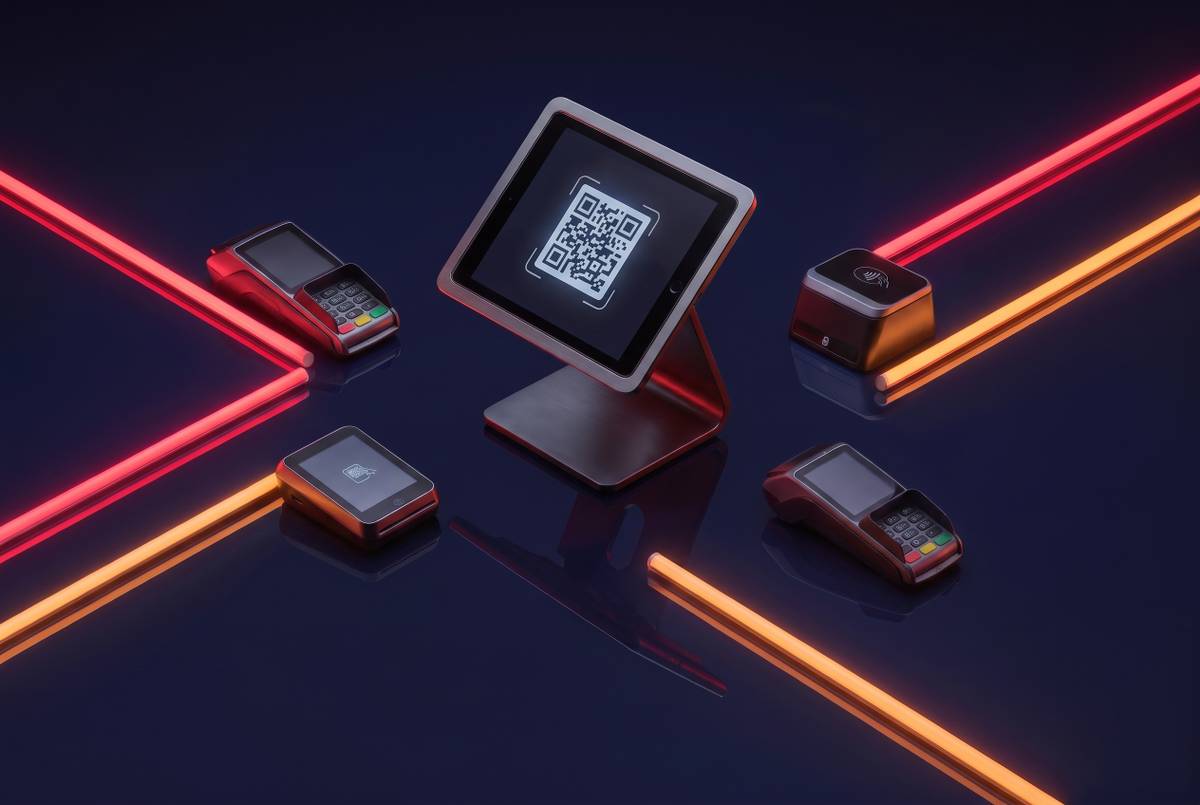
Payment processing is where the invisible costs live. In-person transactions carry a per-swipe fee; keyed-in transactions, the kind that happen when a card won't read or a phone order comes in without a working chip reader, cost more per transaction. That difference sounds trivial until it's multiplied across a few thousand transactions a month, at which point it's a line item worth watching rather than ignoring.
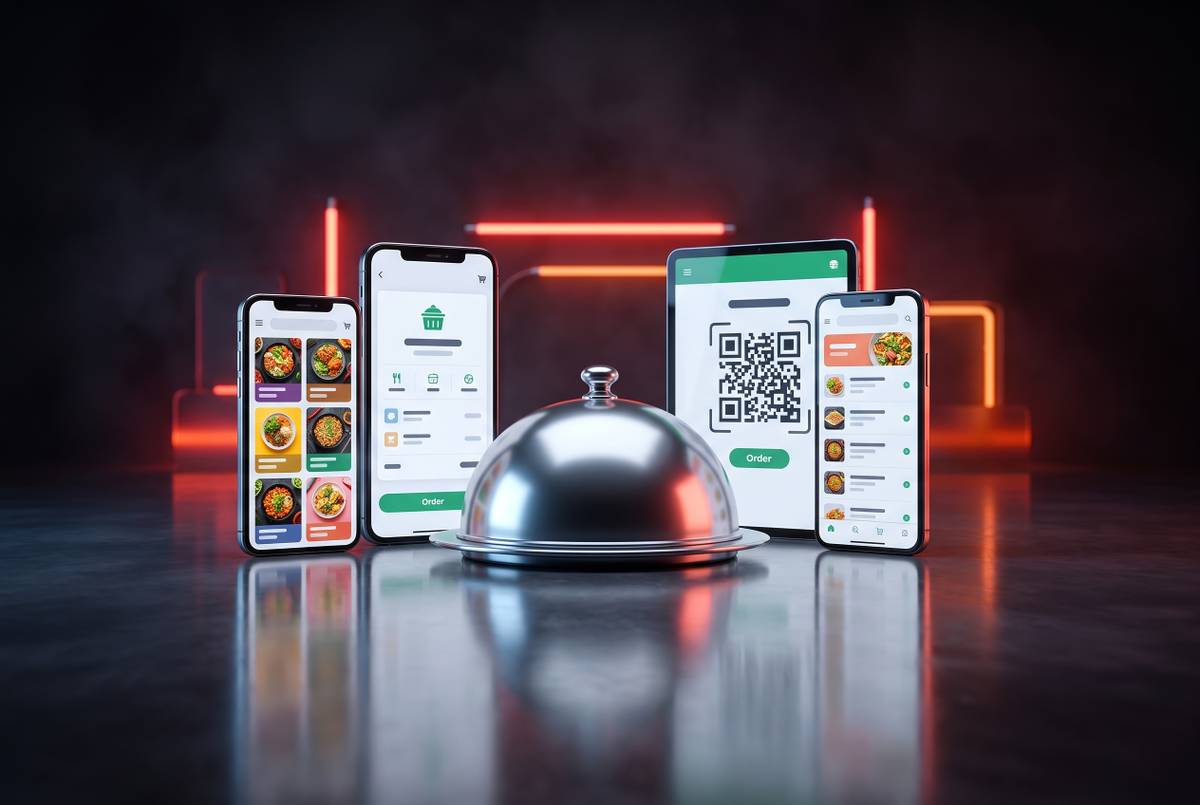
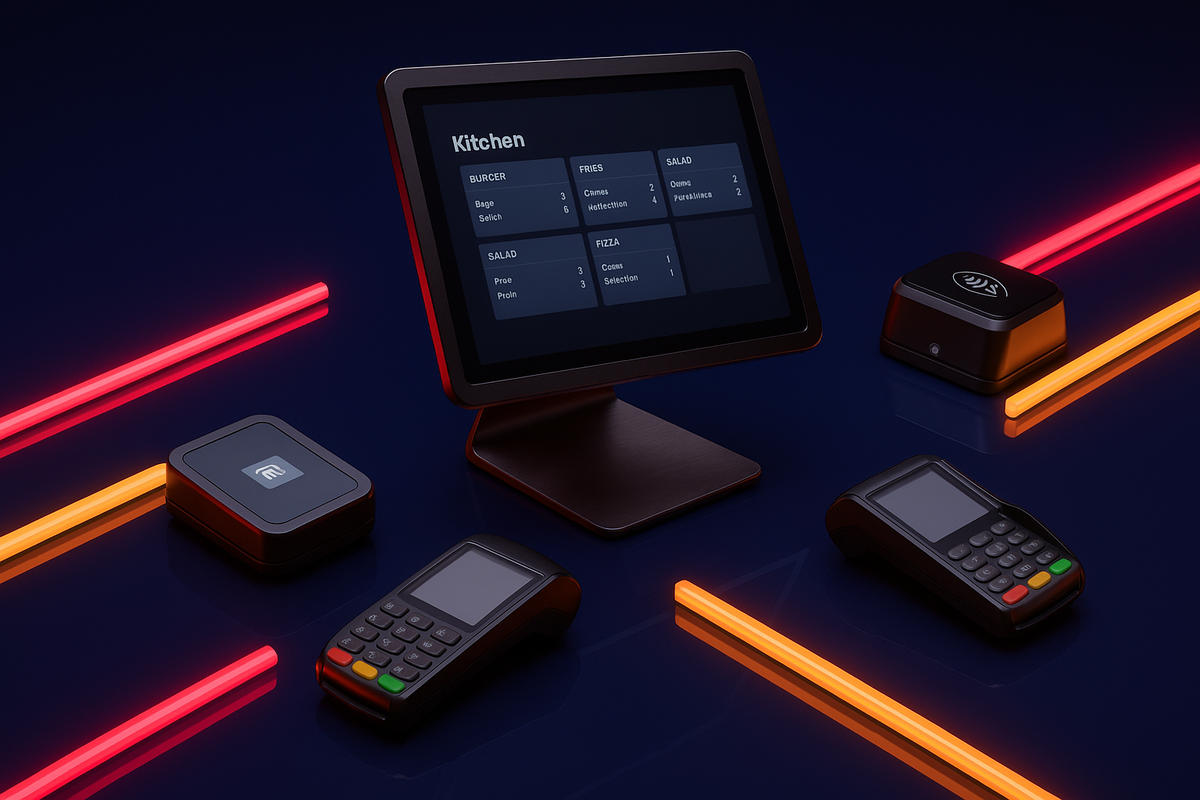
The Kitchen Display System replaces the paper ticket rail, and the effect isn't cosmetic. Orders route straight from the point of sale or from online ordering to a screen in the kitchen, cutting out the step where a server scrawls something illegible and a line cook has to guess, which means fewer miscommunications and tighter ticket times. Toast's own online ordering, paired with integrations to the major third-party delivery platforms, lets an operator pull multiple order streams onto one display instead of running three tablets propped against the wall.
This layer is where Toast earns its keep. Before any marketing tool or loyalty program gets a second look, the order and payment core needs to be dialed in, because that's the part with no ceiling on how often it gets used.
How guest data accumulates inside Toast (and why most operators leave it unused)
Every time a guest opts into a digital receipt, places an online order, or signs up for loyalty, Toast quietly builds a record: name, contact info, order history, how often they show up, how much they tend to spend. This happens in the background with no extra effort from the operator, but passive accumulation doesn't mean anyone's using it.
The data itself is what separates Toast's marketing tools from a generic email platform like Mailchimp. A campaign built on this data can trigger off actual guest behavior: time since last visit, specific items ordered, spend crossing some threshold. Blasting a newsletter out every Tuesday because that's the day someone on staff has time to write one runs on an entirely different mechanism.
And yet it's common to find restaurants that have run Toast for years without ever connecting the guest database to a single outreach campaign. The data sits there, growing, unused, like a filing cabinet nobody's opened since the health inspector's last visit. Worth stating plainly: this guest database, more than any single marketing push, is the most durable asset an independent operator builds by using Toast at all.
Toast's email and SMS marketing tools and what they can realistically do
Email marketing is native, which means it pulls straight from that guest database without a CSV export or a third-party sync job breaking every few months. Automated campaigns tied to behavior, a guest who hasn't been in for a while, a follow-up after a first visit, a birthday offer, consistently outperform one-off broadcast emails by a wide margin, and that's not just a Toast claim; it tracks with broader trends across the email marketing industry generally.
SMS came later, and guests opt in through a handful of touchpoints: a digital menu, a loyalty sign-up screen, or texting a keyword to a number on a table tent. A meaningful share of guests genuinely prefer texts over email from places they eat at regularly, and a lot of people will glance at a text who wouldn't bother opening an inbox.
ToastIQ, which launched in mid-2025, takes this further by generating email, SMS, and social campaign drafts automatically, pulling from sales data, slow shift patterns, and guests who've gone quiet. It lowers the skill floor considerably, since an operator doesn't need to know what a subject line open rate is to get a usable draft out the door.
These tools work on the guest list Toast already has; they don't grow it. Operators need to hold that distinction clearly, because treating email and SMS as a full marketing strategy only covers part of the job. The lapsed guest win-back automation, which flags guests who haven't returned after a set number of weeks and nudges them with an offer, is one of the better-performing tools available and, not coincidentally, one of the most commonly left switched off.
The loyalty program: what it's designed to do and where independent operators typically misconfigure it
Toast Loyalty is only as useful as its segmentation. The entire value proposition rests on treating a guest who comes in twice a week differently from one who wandered in once back in March. Points-based, visit-based, and spend-based reward structures each shape guest behavior differently, and picking one should follow from the actual revenue goal, frequency or check size, not from copying whatever the restaurant across the street set up.
Here's where it usually goes sideways: loyalty gets turned on with the default settings, nobody checks the redemption rate, and nobody ever confirms whether loyalty members spend more than everybody else. The program just runs, unmonitored, present but doing nothing.
The numbers worth tracking are specific: redemption rate, incremental spend per loyalty visit, and how visit frequency shifts after someone enrolls. Those three answer the only question that matters, which is whether the program is actually profitable or just a discount mechanism dressed up in point totals. Winning back a lapsed regular costs far less than acquiring a brand-new guest through paid ads, so the retention math favors loyalty investment almost every time it's actually measured. Where card-linked offers are available, they close the loop entirely, connecting a specific promotion to a specific transaction, which is about as clean an attribution path as this business gets.
Where Toast's native marketing hits its ceiling (and what operators need outside it)
Here's the honest limit: Toast's marketing tools work on guests already inside the system. Email, SMS, loyalty, all of it is retention, and none of it touches acquisition. Toast has no native way to connect a paid ad running on Meta or TikTok to an actual table filled that night, and this attribution gap between digital ad spend and in-store revenue exists everywhere in this industry, not just inside Toast.
An operator running paid social alongside Toast has no built-in way to tell which campaign brought in a genuinely new guest versus which guest would've shown up anyway because it's their neighborhood spot. That gap matters more than it sounds like it should, because without it, ad budget decisions get made on platform-reported numbers: clicks, impressions, reach, metrics that the platforms selling the ads have every incentive to make look good.
The typical setup is incomplete in predictable ways: no conversion tracking installed, no UTM tagging discipline on campaign links, no loyalty or reservation mechanism tying a guest's first visit back to whatever ad they clicked. Operators who do close this gap tend to use third-party attribution tools, loyalty enrollment as an informal tracking device, or trackable landing pages paired with creator content, getting a layer of visibility that Toast, on its own, was never built to provide.
Toast integrations that matter most for marketing and operations
Toast connects to a wide range of outside tools: scheduling platforms, inventory and cost analytics software, reservation systems like OpenTable, the major delivery aggregators. For marketing specifically, the integrations worth paying attention to are the ones that link Toast's guest data to something more capable: email platforms with finer segmentation than Toast offers natively, reservation tools that add touchpoints before and after a visit, and analytics tools that show food cost against revenue by menu item, not just by category. Feastalytics sits in this last category, tying campaign and promotion data directly to POS revenue so operators can see which marketing actually drove sales.
Inventory and cost tools like xtraCHEF matter for marketing in a way that isn't obvious at first. An operator can't know whether a promoted dish or a campaign discount is actually profitable at the price it's being sold for without accurate food cost data underneath it. Scheduling tools that sync with labor cost tracking matter for the same reason: a slow-Tuesday promotion only makes sense if the labor cost of running that shift is known, not guessed at.
The general rule holds up: Toast's native tools handle the fundamentals fine. The integrations are where operators chasing more precision, especially around cost and attribution, need to look next.
Self-order kiosks and the mobile app (features worth considering only when the core is stable)
Self-order kiosks take pressure off front-of-house staff during rushes and tend to lift average check size, mostly because guests browse a screen at their own pace instead of feeling rushed by a server standing there with a notepad. That's a bigger win for fast-casual and counter-service setups than for full-service dining, where the server relationship is part of the product.
Toast's Branded Mobile App, which launched in late 2024, gives an operator a direct ordering channel under their own name, sidestepping the commission structures that come with third-party delivery apps and keeping the guest relationship inside Toast's own data. It also functions as a loyalty channel in its own right; orders placed through a branded app produce cleaner, more attributable data than anything coming through an aggregator where the guest is technically the platform's customer first.
Neither of these belongs at the top of the list. Kiosks and a branded app are additions rather than foundations, and they only make sense once guest data collection, email and SMS, and loyalty are already running and being checked regularly. For an independent operator with a small staff and limited bandwidth, the order these get tackled in matters more than how many of them eventually get turned on.
How to evaluate which Toast features are earning their cost and which are overhead
The honest version of an ROI calculation looks like this: incremental revenue tied to a specific campaign or feature, minus every cost of running it, not just the software fee but staff time and any discounts given away, divided by the total cost. Most operators skip the labor and discount side of that math entirely, which quietly inflates how good the returns look on paper.
A short list of questions every independent operator should be able to answer without checking: is the guest database actually growing, and is there a sense of what percentage of guests have opted in? Are any campaigns automated, and does anyone know their redemption rate? Do loyalty members demonstrably spend more and visit more often than non-members, backed by actual numbers rather than a hunch? Is any paid social running, and can any of that spend be traced to a real visit? What's the lapsed guest rate, and is there an automated system trying to win any of them back?
Features that produce a clear yes to those questions deserve continued investment and attention, while features running on whatever the default settings happened to be, watched by no one, are overhead wearing a marketing costume. Toast puts tools in front of independent operators that used to be reserved for chains with dedicated marketing staff, and that access is real. Yet access isn't the same as use, and use isn't the same as a measurable return; the configuration work, tedious as it is, is where that value either gets captured or quietly evaporates. For operators trying to connect Toast's guest data to paid social campaigns and actually trace an ad to a filled table, closing that loop takes either a genuinely disciplined internal process or a tool built specifically for that bridge between content and point-of-sale revenue. Naming this gap honestly is the first step toward doing something about it.